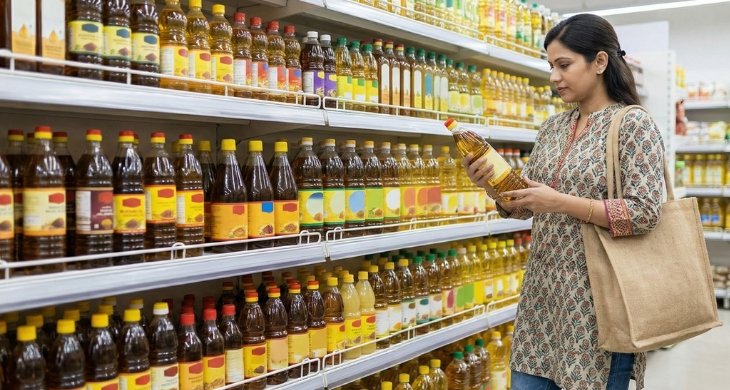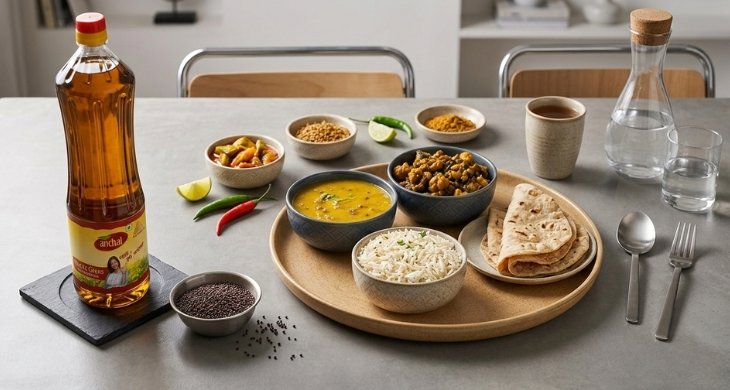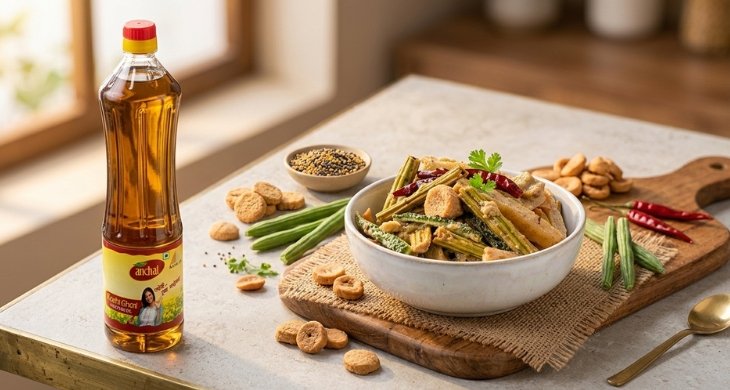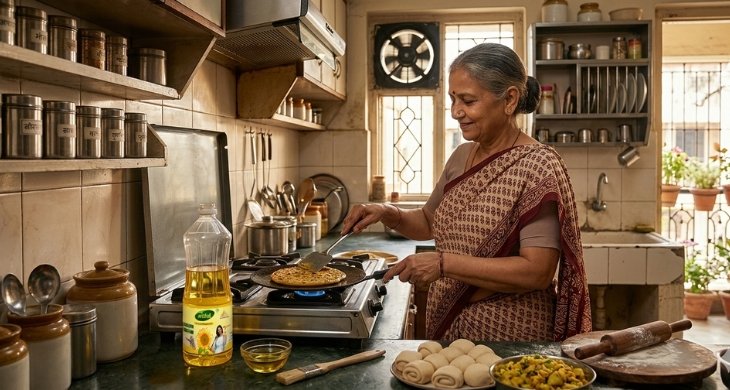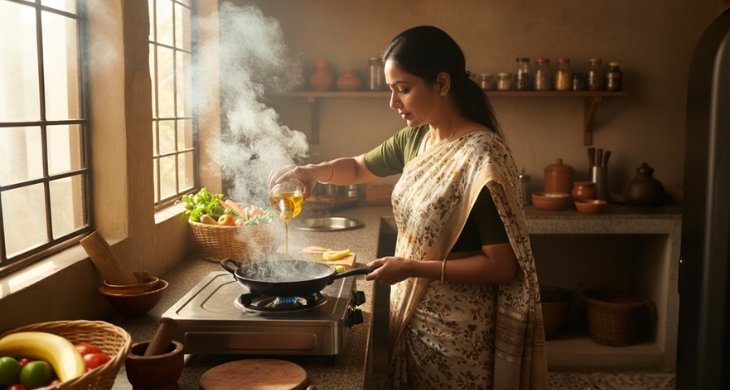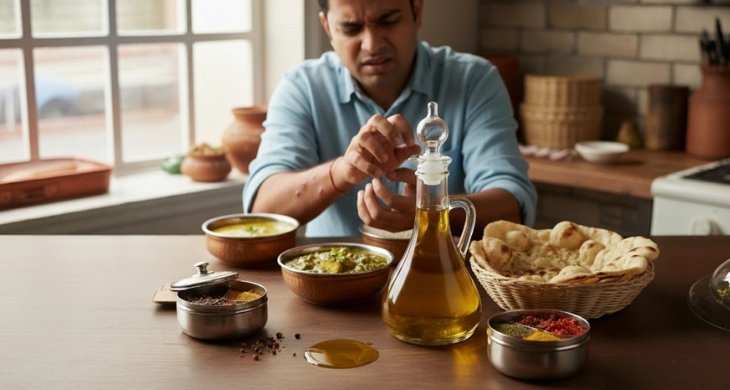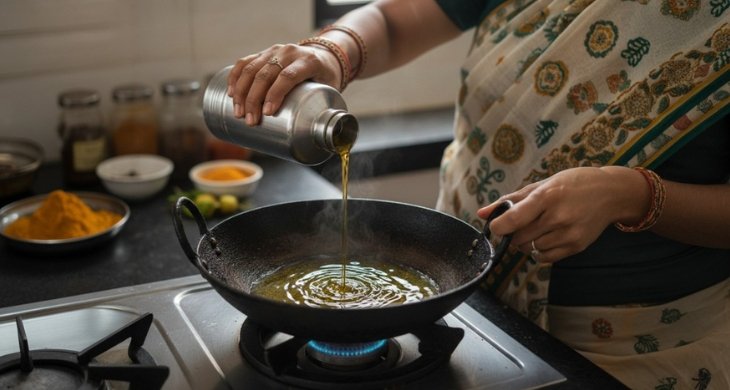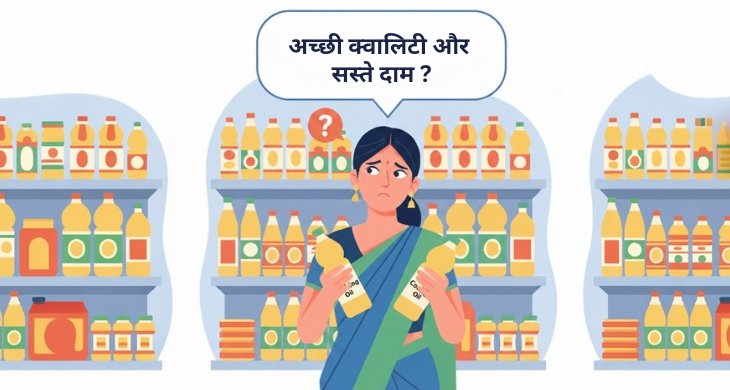

Cooking for elderly parents is more than just putting food on the table. It’s an act of love and care. As our parents age, their bodies change: digestion slows, metabolism softens, and foods that once seemed harmless can suddenly cause discomfort. One small but powerful change you can make in your kitchen? Choosing the right cooking oil for elderly people.
Why Oil Choice Is So Important for Seniors
Around the age of 50, the production of digestive enzymes is very less, which makes it difficult for food to break down. In this case, the wrong oil leads to
- Bloating and acidity
- Indigestion and nausea
- Increased cholesterol concerns
- Joint inflammation
The right oil, on the other hand, can support digestion, heart health, and overall comfort without sacrificing flavor.
Which cooking oil is suitable for elderly people?
When cooking for elderly parents, look for oils that are light on the stomach, low in saturated fats, easy to metabolise, and heart-friendly.
Let’s explore some of the best options.
Easily digestible cooking oil for elders
1. Olive Oil- Olive oil is suitable for older people since it reduces bad cholesterol levels and increases healthy cholesterol. It is best used for:
- Light sautéing
- Drizzling over cooked vegetables
- Salad dressings
Avoid overheating it. Low to medium heat is ideal.
2. Rice Bran Oil- WHO suggests that our diet should have a healthy balance of fats. About 10% intake of monounsaturated fat (MUFA), 5-10% from polyunsaturated fat (PUFA) and 6-11% of Omega-6 should be taken ideally. Rice bran oil has the closest profile to what the WHO recommends. It is best used for:
- Everyday cooking
- Stir-fries
- Shallow frying
3. Canola Oil- Canola oil is popular for its neutral flavor, light texture and heart-healthy profile. It is best used for:
- Regular home cooking
- Baking
- Sauteing and grilling
4. Mustard Oil- Mustard oil is rich in healthy fatty acids such as MUFA and PUFA, and is also suitable for Indian cooking. It is best suited for:
- Regular meals
- Stir frying
- Grilling
What You Should Avoid
You should keep in mind a few things:
- Stop reusing or reheating oils because they develop harmful compounds.
- Avoid spicy or heavily fried food. It is difficult for older people to digest such foods and may develop acidity.
- Older people should eat less at different intervals. Eating more at a time puts a burden on digestion.
- Any oil, if taken in excess amounts, may lead to discomfort. It is advisable to take it in moderation.
Sometimes, less oil is better than switching oils altogether.
Simple Cooking Tips That Make a Big Difference
- Use less oil for cooking meals. For better tracking, measure oils with a spoon.
- Avoid deep-frying.
- Cook fresh meals because they provide essential nutrients and aid in digestion.
- Pair oils with fibre-rich foods like vegetables and grains.
- Observe how your parents feel after meals. Everyone’s body is different. If eating certain foods leads to health problems, then consult a doctor.
Apart from meals, older people should do light meditation and exercise. It is important to manage stress at this fragile age.
Simple Cooking Tips That Make a Big Difference
When you cook for elderly parents, every small choice matters. A lighter oil can mean better sleep, fewer stomach aches, and more comfort throughout the day. It’s not about following food trends but about listening to their bodies and cooking with care.
- Follow this with your friends who have senior citizens at their homes. They need extra care and attention.