If you have tasted something bitter at a Bengali feast and wondered why everyone around you looked so satisfied?
That was Shukto
Long before “gut health” became a trending topic, Bengali kitchens were serving Shukto as the opening act of every grand meal. This mildly bitter, creamy vegetable stew wasn’t meant to dazzle you with spice or richness. It was designed to prepare your body and your soul for what was coming next.
It taught patience. It taught balance. And it made mustard oil essential.
A Dish Born in Ancient Wisdom
Shukto isn’t just a recipe; it’s a philosophy that goes back centuries.
The tradition of starting a meal with something bitter has roots in Ayurveda and was practised in the ancient kingdoms of Bengal, like Anga and Vanga, where the dish served as a cooling remedy in hot, humid climates. The dish gained wider recognition in the 16th century through Vaishnava saint Chaitanya Mahaprabhu, who championed vegetarianism and incorporated Shukto into the diets of his followers as part of a sattvic, balanced way of eating.
Medieval Bengali texts like the Mangal-Kāvya even mention Shukto, where Lord Shiva himself asks Goddess Annapurna to prepare this humble dish. If that’s not culinary heritage, what is?
In traditional Bengali homes, Shukto was served in the first course of a five-course meal to cleanse the palate and prepare the digestive system for richer foods to follow. This wasn’t just cooking; it was intentional nourishment.
Why Mustard Oil is the Soul of Shukto
Here’s the thing about Shukto: it uses vegetables that lean naturally toward bitterness.
Bitter gourd (karela), drumsticks, raw banana, brinjal, and white radish aren’t easy ingredients to love. Without the right oil, they taste harsh, one-dimensional, even unpleasant.
Cold-pressed mustard oil does something magical in Shukto:
- It softens the bitterness without erasing it. The sharp, pungent warmth of mustard oil balances the bitter notes of karela and other vegetables, creating a flavor that’s complex, not confrontational.
- It carries the spices gently. Unlike neutral oils, mustard oil has character. It binds the mustard paste, ginger, and paanch phoron together without letting any single flavor dominate.
- It adds depth without weight. Shukto is meant to be light – a digestive aid, not a burden. Mustard oil achieves richness while keeping the dish clean and easy on the stomach.
Historically, mustard oil was the obvious choice in Bengal. It was locally grown, naturally preserved food in humid weather, and perfectly suited to the region’s cooking style. But over time, cooks realised: Shukto doesn’t just work with mustard oil. It needs mustard oil.
The Art of Making Shukto
Shukto is deceptively simple. It looks like just another vegetable stew. But making it well? That’s where skill shows.
- The Vegetables:
Bitter gourd, drumsticks, raw banana, brinjal, potato, sweet potato, white radish -each one chosen for texture and balance, not just convenience. - The Technique:
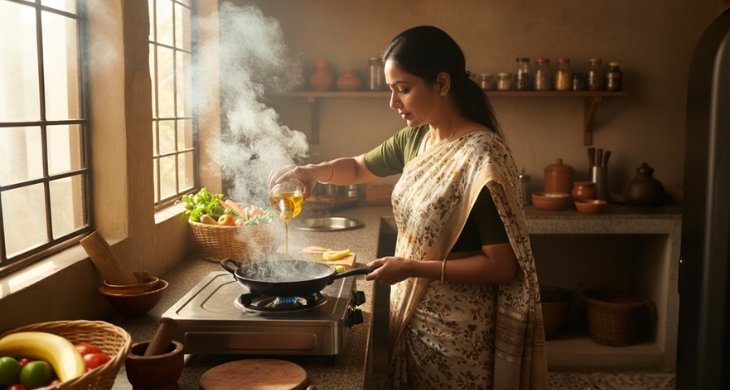
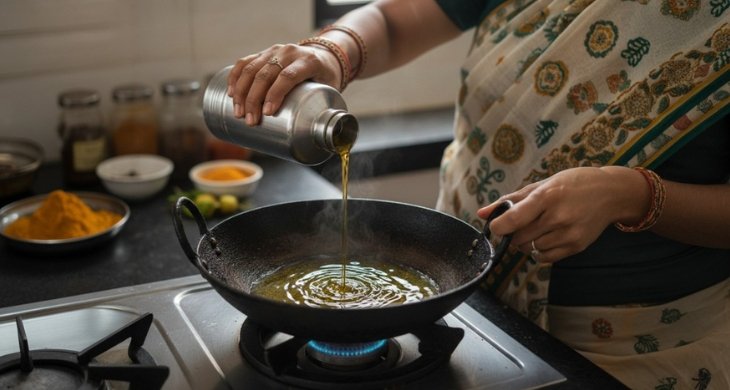
First, the mustard oil is heated until it just begins to smoke, then the flame is lowered. Bitter gourd goes in first, lightly sautéed and set aside. The other vegetables are then cooked slowly with mustard paste, ginger paste, and a pinch of turmeric. The bitter gourd returns at the end, simmering gently until everything is tender.
Some families add milk or poppy seed paste for creaminess. Others use a special Bengali spice called radhuni (wild celery seeds) for that finishing touch. But the foundation remains the same: vegetables, mustard oil, minimal spices, maximum patience.
There’s an old Bengali saying captured in a traditional song: “A cook who doesn’t know how to make Shukto hasn’t truly learned to cook.”
The dish is a test not of fancy techniques, but of understanding balance, restraint, and respect for ingredients.
Why Shukto Became a Cultural Icon
In Bengal, Shukto is served at every major occasion – pujas, weddings, birthdays, and annaprashan ceremonies. It’s the dish that announces: this is a proper Bengali meal.
It’s not the showstopper. It’s not the one people talk about afterwards. But without it, something feels incomplete.
Because Shukto represents something deeper than taste. It represents:
- Discipline – eating what’s good for you before indulging
- Tradition – honouring recipes passed down through generations
- Balance – embracing bitterness as part of life’s full flavor
This is why every Bengali family has their own version of Shukto. The vegetables may vary. The creaminess might differ. But the principles stay unchanged: bitter vegetables, cold-pressed mustard oil, gentle heat, and the belief that good food doesn’t need to shout.
Ready to Experience Mustard Oil the Traditional Way?
If you’ve only used mustard oil for pickles or tadkas, you’re missing the bigger story.
Shukto taught generations of Bengali cooks what mustard oil can do when used with intention, how it mellows bitterness, carries flavor, and creates dishes that nourish both body and spirit.
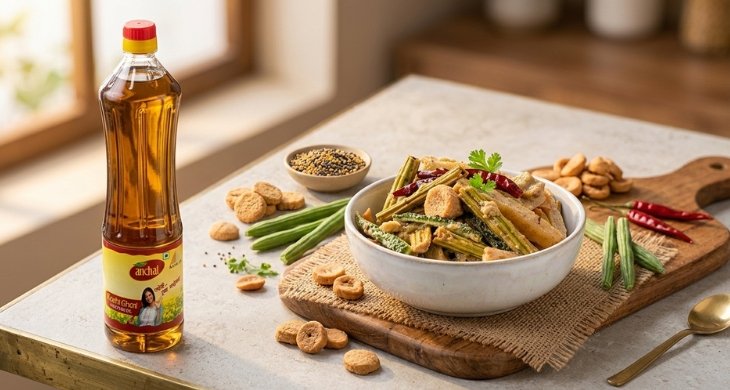
Our cold-pressed mustard oil brings you that same authentic experience. No shortcuts. No compromises. Just pure, traditional mustard oil, the way it’s meant to be.
Explore our cold-pressed mustard oil and cook with the wisdom of generations.