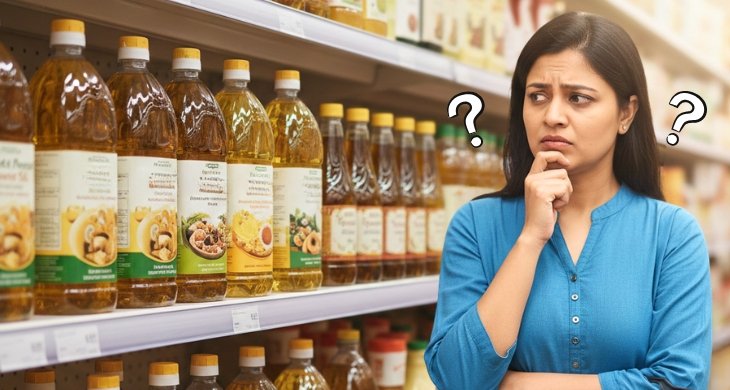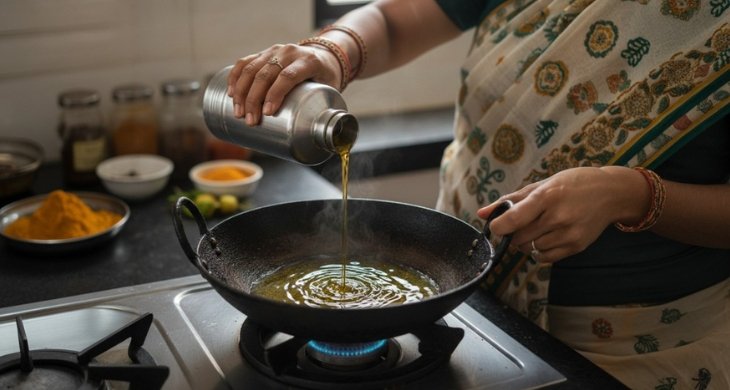

You check sugar.
You worry about salt. You worry about every explicit thing except the oil in your pan? Certainly, most people never question it, but the uncomfortable truth that everyone must know: Low-quality cooking oils can silently damage your heart.
FSSAI revealed that 30.7% edible oils sold in the market are either of poor quality or adulterated. You might be the one buying the same oil.
What Are Low-Quality Cooking Oils?
Low-quality cooking oils are usually oils that have been:
- Highly processed with chemicals
- Exposed to excessive heat during manufacturing.
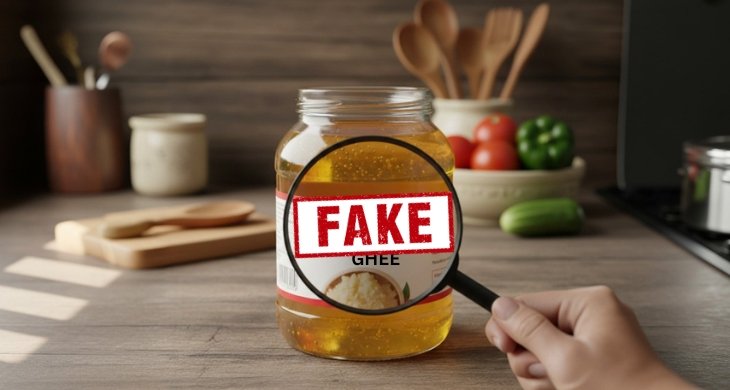
- Adulterated or mixed with cheaper oils
- Reused oils degrade the essential ingredient since they develop harmful compounds.
- Cooking oils which lack proper information on labels, such as an incomplete ingredient list, batch number or FSSAI code.
Make sure to cross-check the information before buying any cooking oil.
Why Oil Quality Matters for Heart Health
Your heart is sensitive to the types of fats you consume. Low-quality oils often contain:
- Higher levels of unhealthy saturated fats or trans fats
- Oxidized fats that promote inflammation
- Free radicals are formed during high-heat processing or repeated frying
Consumption of poor-quality cooking oils can raise bad cholesterol levels in your body. It can be harmful to your health, too.
If not Kitchen, from where Low Quality-Oils coming
Many low-quality oils don’t come from your bottle at home. In fact, they come from outside food sources, such as:
- Street foods and fast food outlets
- Packaged snacks and baked goods
- Deep-fried foods made from reused oil
- Cheap blended or unlabelled oils
These oils are often chosen because they are inexpensive and have a long shelf life, not because they are good for health.
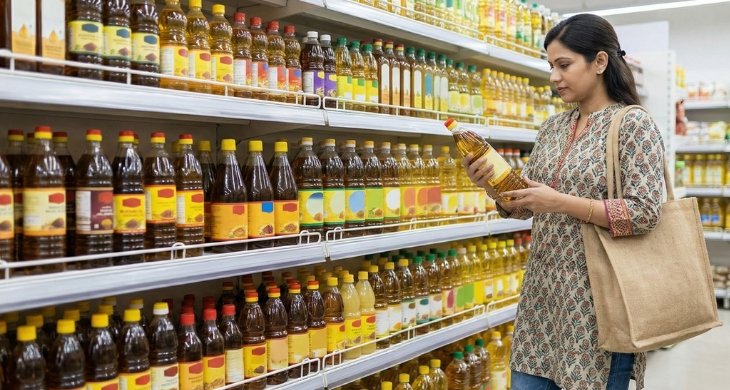
How to Spot Low-Quality Cooking Oils
FSSAI suggests some tips to spot poor-quality cooking oils:
- Missing FSSAI license, batch number, expiry date, or vague ingredients (e.g., “vegetable oil” instead of a specific type) in the labels.
- If oil has a strong or unpleasant smell even before heating.
- If cooking oil develops excessive foam while heating, then there is a high chance that it is spoiled.
- Ensure that the oil bottle is sealed properly. Broken seals indicate that the oil might have been tampered with.
- If the price of oil is comparatively lower than the market price, then its quality is questionable.
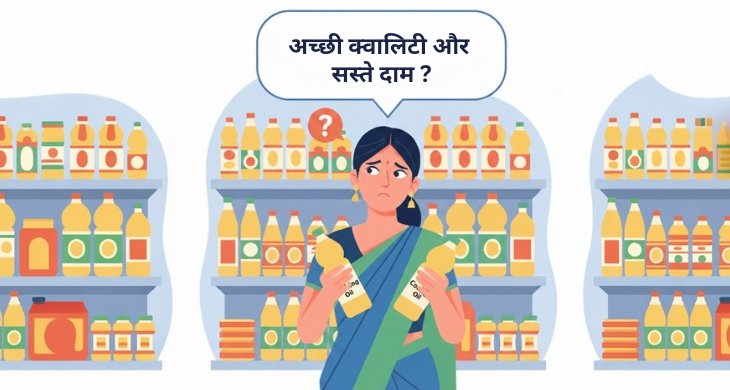
How to Choose the Best Quality Cooking Oils
Choosing the best quality cooking oil is not rocket science. Oils are safe and healthy if:
- They are balanced elements of healthy fatty acids, such as MUFA and PUFA.
- Oil labels have clear information on ingredients and certifications.
- It contains natural antioxidants like Vitamin E.
For everyday cooking, oils like mustard, sunflower, groundnut, and soybean are often preferred when used appropriately and in moderation.
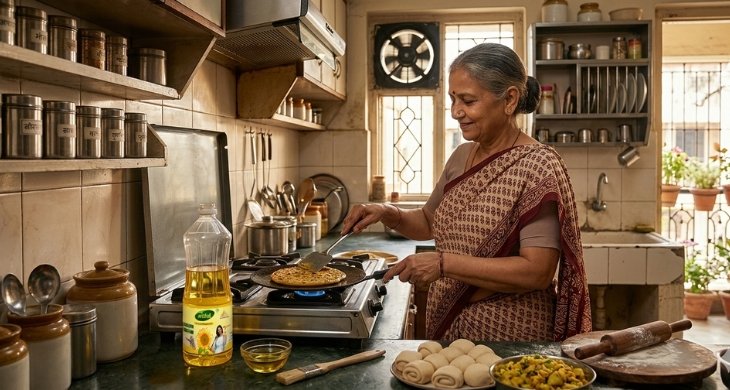
Storage and Usage Matter Too
Even good-quality oil can become harmful if used incorrectly. To protect oil quality:
- Store oils away from light and heat
- Keep lids tightly closed
Avoid reusing oil multiple times to avoid oils from being contaminated.
Key Takeaway
Low-quality cooking oils may not cause immediate harm, but their effects build up over time. Because oil is consumed daily, the quality of oil you choose and how you use it play a major role in heart health.
Making informed choices, reading labels, and avoiding overused or heavily processed oils can help protect your heart and support better health in the long run.
- Share this with your loved ones and save them from falling into prey.