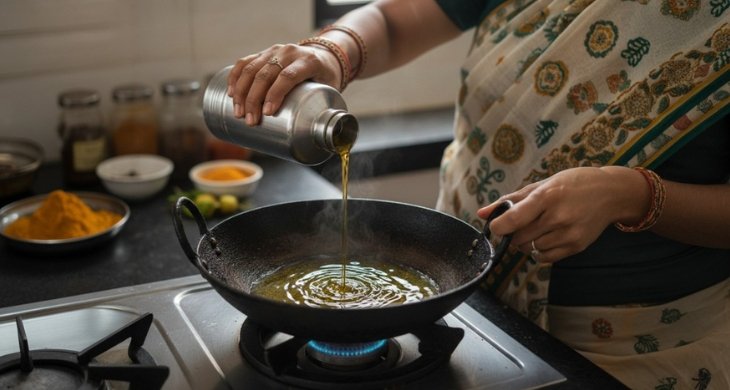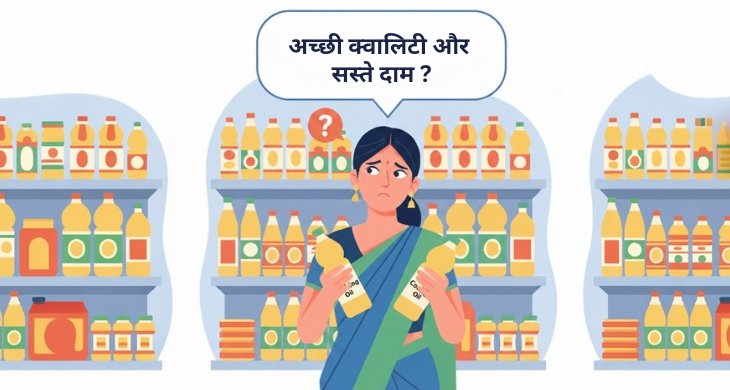

Cooking oil is more than a kitchen essential. It is a major source of healthy fats that support a child’s growth, brain function, and overall development.
It becomes more important, especially for growing children. Their cognitive ability is based on their diet. What we consume shapes our body and mind.
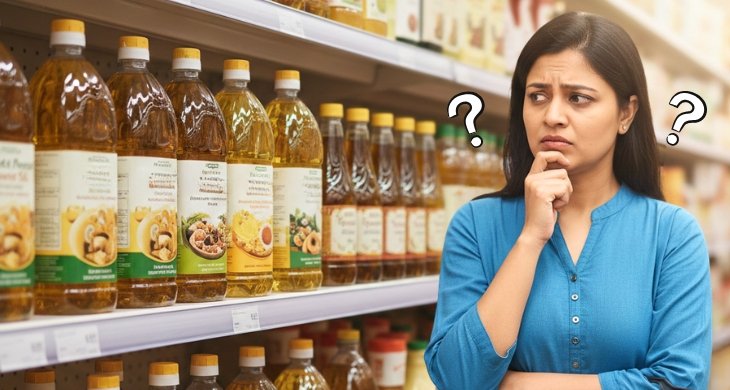
But with so many cooking oils in the market, how do parents make the right choice?
Worry Not! Here is a parent-friendly guide to making the right choice,safe for your children
Feeding the Brains: Why Oil Must Matter
Harvard University suggests that healthy fats play a key role in a child’s development. These are derived from plant-based oils such as olive, sesame, canola, and peanut. The right cooking oil serves various purposes:
- Build the brain and nervous system because our brain is nearly 60% fat.
- Nutrients like vitamin E and omega-3 boost immunity, protect cells, and support cognitive function.
- Provides energy and growth
- Aids in the absorption of fat-soluble vitamins like vitamins A, D, E, and K.
Certainly, oil matters, but so do the type and quantity.
What makes an oil healthy?
The American Heart Association suggests oils that are rich in:
- Monounsaturated fats: These fats support heart health, reduce bad cholesterol, and are stable at medium heat.
Oil Type: Found in Olive oil, avocado oil, canola oil, and peanut oil - Omega-3 Fatty Acids: They are a type of polyunsaturated fat that supports brain development and cognitive function.
Oil type: canola oil, flaxseed oil, walnut oil, and soybean oil. - Omega-6 Fatty Acids: It is also a type of polyunsaturated fat, which makes a good balance with omega-3 fatty acids.
Oil type: Sunflower oil, corn oil, and soybean oil.
It is important to replace bad fats with healthy fats to make it safe for your children.
Which oil is best for your kids and babies?
Below are some doctor- and nutritionist-approved options from the American Heart Association and Harvard Health that are rich in MUFA and PUFA.
| Oil | Properties | Best Use |
| Extra-virgin olive oil | Antioxidants and healthy fats | Light sautéing, drizzling over food |
| Cold-pressed groundnut (peanut) oil | Vitamin E, heart-healthy fats | Best for older kids and toddlers (in case of no allergy) |
| Sesame (Til) oil | Healthy fats and minerals | Use in small amount; bold flavor |
| Sunflower oil | Neutral taste and PUFA-rich* | For regular cooking when used in moderation. |
*PUFA refers to polyunsaturated fatty acids.
*MUFA is monounsaturated fatty acids.
Note that we are only talking about oils here. The oils on the table are the most suitable and safe for children. But if you have time to cook meals with homemade ghee, then it is truly unbeatable.
Age-wise oil recommendation
For babies 6–12 months:
- Start with small amounts. Half to one teaspoon should be mixed into cooked foods.
- Take note of oils that develop allergies.
Toddlers (1–3 years):
- Healthy fats are essential for rapid brain growth.
- Continue using small amounts in daily meals.
- Avoid deep-fried snacks as a regular habit.
Kids above 3 years:
- Can have a wider variety of oils.
- Encourage homemade meals cooked in less oil.
Must-Avoid Practices
- Vanaspati, hydrogenated oils, and margarine contain trans fats, which are bad for their heart & growth.
- Strictly avoid reused frying oil because it forms harmful chemicals.
- Do not feed heavy, deep-fried foods to your kids. It may burden their digestive system.
- Oils that cause an allergy must be avoided, and a paediatrician must be consulted immediately.
What Doctors say
- Kids do not need too much added oil
- Quality and moderation matter more than the brand. What truly matters is what’s inside: the type of fats, how the oil is processed, and how much you’re using.
- Always pair healthy fats with fruits, vegetables, and whole foods.
Final Takeaway
Choosing the right cooking oil might seem confusing initially, but it’s easier than you think. To be specific, babies and growing children need healthy fats for their brains, hearts, and overall growth. So which oil you pick makes a huge difference. The choice you make today shapes their future tomorrow.
- Share this with parents who have kids and babies at home. You should make everything safe for your children.
Frequently Asked Questions
How much cooking oil should I give my baby?
For babies 6–12 months, start with ½ to 1 teaspoon mixed into cooked foods. Keep portions small and focus on gentle oils like coconut or extra-virgin olive oil.
Which oil is best for brain development?
Oils rich in omega-3 fatty acids, such as canola, flaxseed, and walnut oil, help support brain and nervous system development in growing children.
Can I use the same oil for my whole family?
Yes, as long as it’s safe oil like olive, groundnut, sesame, or sunflower oil. Just ensure your child’s portion is small and age-appropriate.
Are deep-fried foods good for children?
Not regularly. Deep-fried items may be tasty, but they put stress on a child’s digestive system and add unhealthy fats. Keep fried foods occasional.
When can I start adding cooking oil to my baby’s food?
You can introduce a tiny amount of oil once your baby completes 6 months and begins solids. Start with just ½ to 1 teaspoon of mixed mashed foods.